

Five professions get their own license plates and some of them make absolutely no sense
State DMVs hand out specialty plates to some professions while ignoring others, and the logic behind who qualifies is baffling.

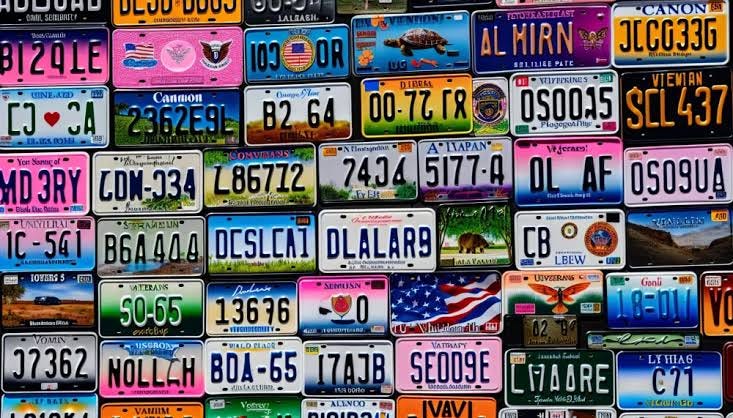
Multiple U.S. states offer specialty license plates for specific professions, but a recent examination of state registration records reveals five categories that seem to follow no consistent criteria. While firefighters and doctors make obvious sense, some of the plates going out suggest the selection process involves more legislative whimsy than any serious consideration of who deserves official recognition.
State DMVs determine which professions qualify through legislative or administrative processes that can be influenced by lobbying, political connections, or simple bureaucratic randomness. The result is a patchwork system where beekeepers in South Carolina can display their occupation on state-issued plates while teachers in the same state cannot. According to Jalopnik, the five professions recently flagged for having specialty plates include some that appear completely arbitrary when compared to other occupations that lack similar recognition.
The numbers involved are substantial. Florida alone offers over 120 different specialty plate designs, including separate options for dentists, optometrists, and veterinarians. Texas follows a similar model through organizational sponsorships that allow professional groups to petition for their own plates. The fees are not insignificant either, ranging from $25 to $75 annually depending on the state, which means these plates generate revenue while also serving as rolling advertisements for specific professions.
Amateur radio operators, commonly known as ham radio enthusiasts, have secured specialty plates in multiple states. Square dance callers, a profession that barely exists anymore, also qualify in certain jurisdictions. Meanwhile, professions like nursing home workers, paramedics, and mental health counselors often go unrecognized despite performing essential services that arguably matter more to public welfare than maintaining an amateur radio license.
Like this? Get the app: iOS | Android
The selection inconsistencies become even more glaring when you consider which plates get discontinued. Some states have pulled specialty plates due to low registration numbers, suggesting the original approval was questionable to begin with. Virginia’s “Friend of Coal” specialty plate sparked controversy for crossing the line into political messaging rather than professional recognition, yet it remains available while other worthy professions never make it past the proposal stage.
South Carolina’s beekeepers received their specialty plates in 2019 after a lobbying effort that succeeded where others failed. The beekeeping community is small, dedicated, and apparently well organized enough to navigate state bureaucracy. That same organizational skill seems to be the real qualification for getting a specialty plate, not the actual importance of the profession itself.
Common professional plates do exist for doctors, nurses, firefighters, and law enforcement, which suggests states understand the concept of honoring essential workers. But once you move beyond those obvious categories, the decision-making appears to rely more on which groups have the political connections and persistence to push legislation through than any rational assessment of professional merit. A dentist can get a plate. A dental hygienist cannot, even though they work in the same office and often perform overlapping duties.
The specialty plate system requires proof of profession or organizational membership, which means these are not vanity plates anyone can purchase. They represent official state recognition of an occupation or affiliation. That official status makes the arbitrary selection process more troubling because it suggests state governments will honour almost any profession as long as someone bothers to ask and knows the right people.
The broader question is whether states should be in the business of designating which professions deserve recognition on license plates at all. GaukMotorBuzz.com readers who work in unrecognized professions might wonder what they need to do to join the club, and the answer appears to be less about professional importance and more about having a motivated advocacy group willing to navigate legislative channels. That is a strange way to determine which jobs get official state endorsement, but it is apparently how the system works.
Sources: Jalopnik